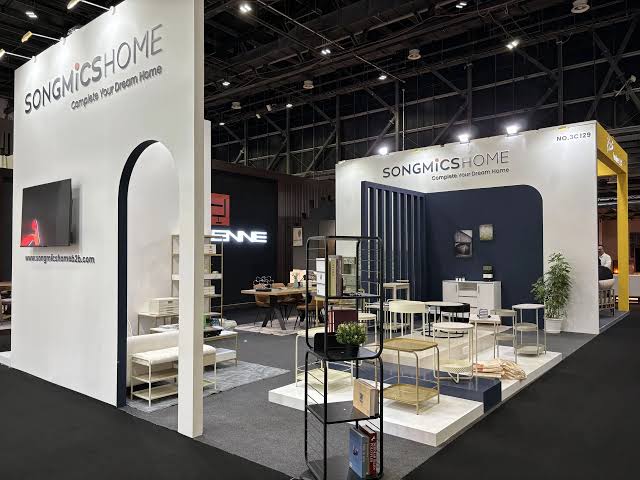
Defining a Lean Wardrobe Supply Pipeline
Lean wardrobe supply isn’t magic. It’s a system. Picture a regional retailer facing a back-to-school rush while floor stock is mismatched by color and size. In this window, wardrobes supply must flex without breaking budgets or lead times. The numbers tell the story: 45–60 day ocean lead time, 8–12% stockout risk, 2–3% damage rate, and a constant battle with container fill. Now add real constraints—MOQ thresholds, SKU rationalization, and a bill of materials that spans fasteners, panels, rails, and kits.
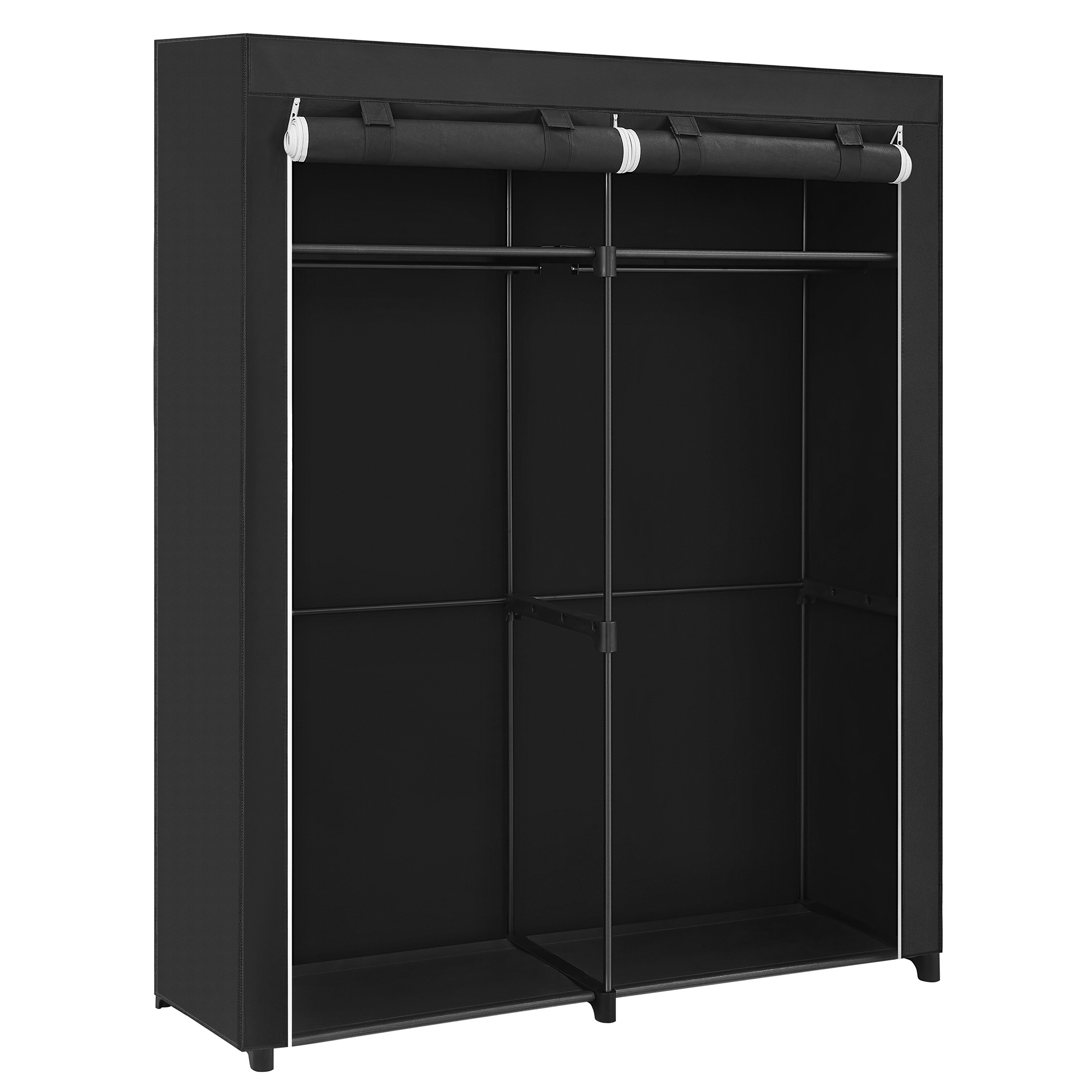
In practice, teams try to stitch orders, manage just-in-time replenishment, and push data from ERP to WMS without lag (sometimes with manual patches). When planning wardrobe wholesale, decision makers want consistent finishes, flat-pack efficiency, and fast assembly at destination. Yet variation creeps in via CNC routing tolerances, edge banding quality, and hardware pack accuracy—funny how that works, right? The core question: how do you design a supply model that absorbs demand shocks while keeping unit economics stable? Let’s break down what goes wrong first, then map what to fix next.

The Hidden Breakpoints in “Bulk and Hope” Tactics
What’s the real bottleneck?
Here’s the blunt truth: the classic “buy more, earlier” playbook masks risk; it doesn’t remove it. Oversized batches drive storage cost, tie up cash, and still miss the market mix. Color drift across batches, minor hole misalignment on panels, and inconsistent hardware kits create field returns. This is avoidable. The real chokepoints are upstream process control and downstream feedback speed. If QC only samples at the end, you get late surprises. If your ERP and WMS sync weekly, not hourly, replenishment misses the turn. Add SKU proliferation and you dilute volume, which quietly raises unit cost.
Look, it’s simpler than you think—yet very specific. Start with layered QC at the factory: in-line inspection at CNC nesting and ABS edging, plus torque checks on hinges. Lock down a common bill of materials across colorways to cut variance. Standardize fasteners (M6 or M8, not both). Calibrate pack-out to protect edges with EVA foam while maximizing container CBM. And align cartons to palletization rules to reduce overhang and crush. In short, the flaw isn’t “not enough stock.” It’s slow feedback loops, uncontrolled tolerances, and weak spec governance. Fix these and the bulk order becomes smarter, not bigger.
New Principles That Change the Math (and the Outcome)
What’s Next
Moving forward means swapping guesswork for measurable control. A modern pipeline uses three core principles. First, spec governance in code: parametric BOMs ensure every variant inherits the same drilling pattern, hinge spec, and hardware pack mapping—no silent drift. Second, factory-to-DC telemetry: station-level scan points feed your WMS and MES in near real time, so you see shortages before containers close. Third, smart packaging design: carton right-sizing by panel density raises container yield and lowers damage. Compare this to the old model. Instead of buffering with inventory, you buffer with information—fast signals, tighter tolerances, and repeatable kits. When planning wholesale wardrobe closets, the contrast is clear: fewer surprises, cleaner installs, and steadier cash flow.
Technically, this rides on simple, proven tools. A disciplined ERP backbone. WMS with lot/serial capture on hardware packs. SPC at edge banders and drill lines. Supplier scorecards tied to PPAP-like first-article approvals. You might also add light Poka‑Yoke in pack-out—colored bagging for fasteners—to cut assembly errors. Compared to tradition, it’s not louder or costlier—it’s tighter. And it scales because it reduces variance, not just adds buffers. From the first section, we saw demand spikes and fragile mixes; here, the lesson shifts: design for repeatable flow, then adjust volume with confidence—because the system holds.
To choose the right path, use three metrics: 1) Process capability for critical-to-fit dimensions (hinge and dowel alignment Cpk ≥ 1.33). 2) Container utilization by CBM and damage rate per 1,000 units (target ≤ 1%). 3) Lead-time reliability from firm order to DC receipt (on-time-in-full ≥ 95%). Meet these, and your next season looks calm, not lucky. For teams seeking a steady partner in this space, keep an eye on SONGMICS HOME B2B—because in supply, consistency beats drama every time.