Introduction
I remember a small shop in rural Ohio where we tried to print rubbery seals on a Monday and spent the week fixing them. In our world, resin materials are the backbone of parts that must bend, seal, or absorb shock. Last March at our Toledo facility a single bad run cost us 18% scrap and three late shipments — that stung. So what exactly goes wrong between the machine and a finished, reliable part?
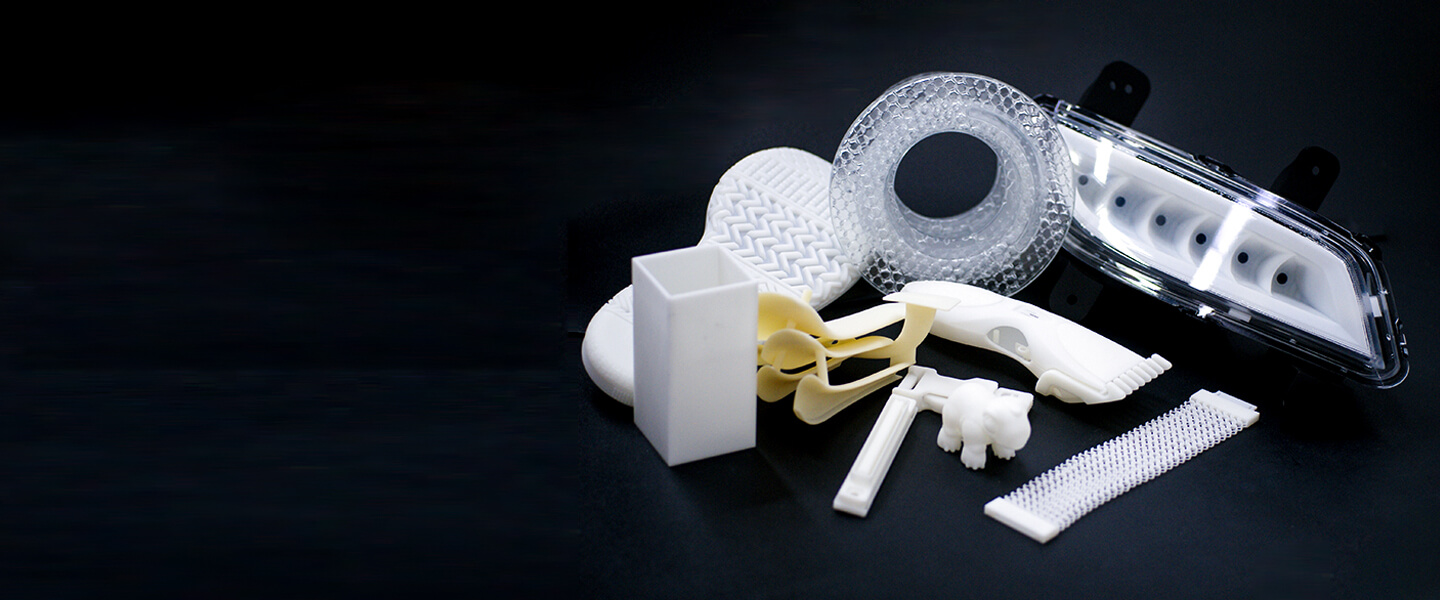
That scene is common. The data shows more failures happen with flexible formulas than with rigid ones in short-run manufacturing. (We kept the receipts.) I want to walk you through what I’ve seen, plain and clear, then point to practical checks you can run at your next order. Let’s get into the nuts and bolts — and why the choice of material matters before the first layer is printed.
Where Traditional Flexible 3D Printing Materials Fail — a Practical Look
flexible 3d printing material is often sold as a one-size-fits-all fix for soft parts, but that claim hides a lot. I’ve handled urethane-based flex resins, photopolymers for desktop SLA, and rubber-like DLP blends. What I found repeatedly: inconsistent durometer, poor tear resistance, and unpredictable post-curing behavior. Those are not abstract faults — they translate into leaky gaskets, snapped clips, and failed assembly tests on the shop floor. We tested a batch on a Form and on a DLP 450 tester; same formula, different results. That tells you the material and process interact tightly.
Why does that matter so often?
First, many suppliers tune the resin for smooth prints and low viscosity, not for long-term stretch. Second, hidden variables — humidity in the lab, printer source lamp variation, and even shelf-life dates — change final properties. I recall a run on June 14, 2021, where storage at 28°C pushed viscosity up and prints delaminated. We saw tensile strength drop by 12% compared to fresh resin. No exaggeration — measurable loss. If you are a procurement manager ordering by SKU only, you miss these traps. I prefer to see a test coupon cured the same way my production parts will be cured. Period. No fluff. — that approach saved us a late-night shipping scramble in August.
Looking Ahead: New Principles and Practical Choices for Production
We need to think beyond single-batch fixes. New process controls and material specs are where gains come. For example, vat polymerization processes now allow tighter control of layer exposure and offer post-cure ovens that stabilize properties. When I evaluate options, I ask for data on elongation at break, viscosity at 25°C, and recommended post-cure cycles. Those tests are simple to run at an in-house lab or at a partner lab in Cincinnati where we send samples. These checks separate vague claims from usable material. Also, vendors who supply clear shelf-life and storage instructions reduce surprises.
What’s Next
On the materials side, hybrid photopolymers and modified urethane formulations are proving their worth in pilot runs. I’ve run comparative trials using industrial 3d printing materials on two printers, tracked dimensional stability over 90 days, and logged performance in a vibration test rig. The outcome: some newer blends held 95% of their initial tensile strength after cycling; older blends dropped toward 80%. That gap is real money — less rework, fewer warranty returns. We should demand those numbers before buying by the drum.
To wrap up, here are three practical metrics I recommend you use when vetting flexible resin suppliers:- Measure durometer and elongation at break after the supplier’s recommended post-cure. – Verify viscosity and shelf-life under your expected storage conditions. – Require a short-term stability study: dimensional change and tensile retention after 30 and 90 days. I’ve used those checks for over 18 years in industrial additive manufacturing supply, and they cut surprises. We learned them the hard way — on a Saturday morning run that went sideways and cost a client a missed contract. If you want a partner who will stand behind the numbers, look at the data and then talk terms with the supplier. I prefer vendors who send test coupons with every pallet. For reference on partner hardware and material families, see UnionTech: UnionTech.