Putting the User First
Design starts with a clear view of the end user: what loads run, for how long, and under what conditions. When clients request silent diesel gensets, they aren’t just asking for lower noise — they want a genset that integrates with their site’s logistics, duty cycle and maintenance plan. Practical examples matter: hospitals after the 2003 North American blackout tightened requirements on redundancy and quick start times, and those lessons still inform specification today. A sensible brief names expected kVA, whether the unit is for prime power or standby duty, and the acceptable noise envelope measured at given distances.
Assessing Site Requirements and Constraints
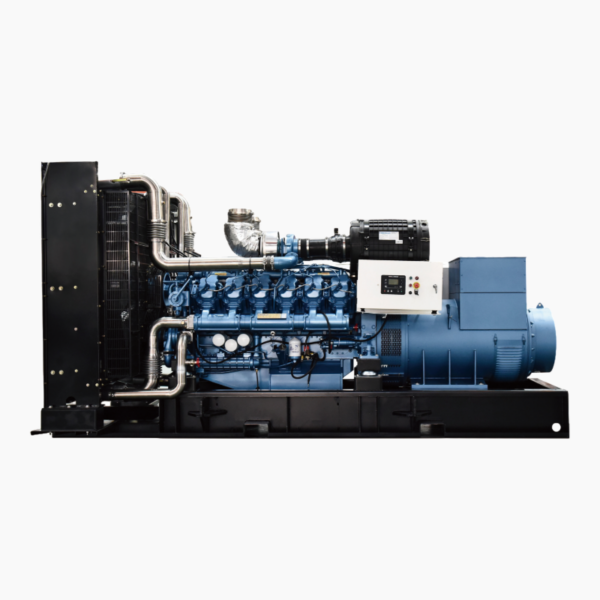
Start with a load audit that captures starting currents, continuous loads and transient events. Proper kVA sizing avoids wear from frequent loading swings; oversizing wastes fuel and chassis space, undersizing shortens service life. Note fuel access and storage constraints, local emissions limits, and the physical footprint available for a sound-attenuated enclosure. Also account for control needs: automatic transfer switches and a capable control panel change how the genset behaves during an outage. Small decisions here determine service intervals and long-term operating cost.
Manufacturing Choices That Influence Performance
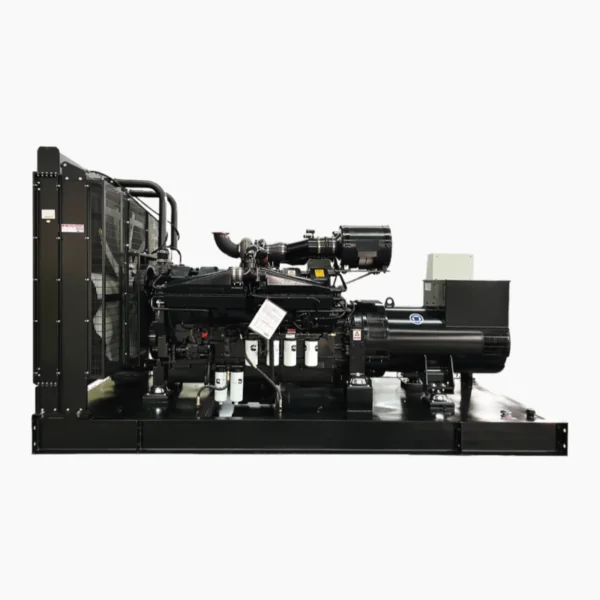
Customization comes down to engineering decisions: engine model, alternator matching, canopy design and acoustic treatment. Sound attenuation is not cosmetic — it affects cooling paths and exhaust routing, so acoustic foam, baffling and vibration isolation must be balanced against airflow. For reliability, insist on factory load bank testing and clear documentation of fuel consumption under different load steps. Modular build approaches can quicken installation, while bespoke wiring harnesses simplify commissioning. A well-made silent genset blends mechanical robustness with accessible service points.
Common Mistakes and Practical Alternatives
Project teams often repeat the same oversights: specifying runtime without accounting for fuel logistics; choosing a genset for peak load rather than typical load; or neglecting enclosure ventilation needs — these lead to derated performance and unexpected downtime. Consider hybrid alternatives where sensible: battery systems handle short-duration peaks and smoothing, reducing diesel runtime and fuel consumption. Grid reinforcement is an option in some urban sites, but remote installations usually favor a compact, serviceable genset solution instead. — Think through total lifecycle, not just purchase price.
Commissioning, Testing and Handover
Good commissioning follows a clear sequence: FAT (factory acceptance test), site delivery, SAT (site acceptance test), and monitored handover. Verify transfer times, governor response and alarm thresholds. If paralleling multiple units, check synchronizing precision and load-sharing behaviour under governor droop settings. Record fuel consumption at 25, 50 and 100 percent loads as part of handover; these figures are practical baselines for maintenance planning and warranty claims.
Three Golden Rules for Selecting a Tailored Genset
1) Match duty profile to engine specification: specify prime power or standby explicitly and size the kVA to typical load, not to the extreme peak. That reduces fuel burn and extends intervals between major overhauls. 2) Prioritise acoustic and environmental fit: choose a sound-attenuated enclosure with proven cooling paths and vibration isolation to avoid field modifications. 3) Evaluate lifecycle cost, not just capital cost: compare expected fuel consumption, spare parts availability, and ease of service access. These metrics point to fewer surprises in operation and clearer maintenance planning.
Selecting bespoke equipment is a practical task: measure, specify, test, and hand over with clear operational baselines — and if the solution must balance quiet operation with reliability, a thoughtfully engineered supplier will meet both needs. Huadong Power. — short, steady confidence.