Introduction: A Room, a Storm of Voices, and a Better Map
One morning, a project room hums like a small city. Screens glow, mics wake, and a remote team waits for the cue—then the chorus begins. Hybrid meeting room solutions now carry most of that weight, stitching voices and slides across time zones with a careful hand. An conference controller sits at the center, like a quiet conductor. Industry surveys suggest most meetings have remote guests, often above 70%, and the load shows up in awkward lags, uneven audio, and human patience. Beamforming mics, WebRTC handshakes, and a DSP core swirl under the surface, yet control still decides who gets heard and when (and how). So here’s the puzzle: if the room is so “smart,” why does it feel clumsy when the call starts late, the slides hiccup, and the wrong camera steals the frame? We can measure QoS, yes, but we also measure trust. Does the system feel simple enough that people stop fighting it? That’s the real test—and the reason control, not just capacity, becomes the hinge point. Let’s put the old and the new side by side, and see where the room actually wins.
Deep Dive: Why Legacy Controls Falter
What’s actually holding you back?
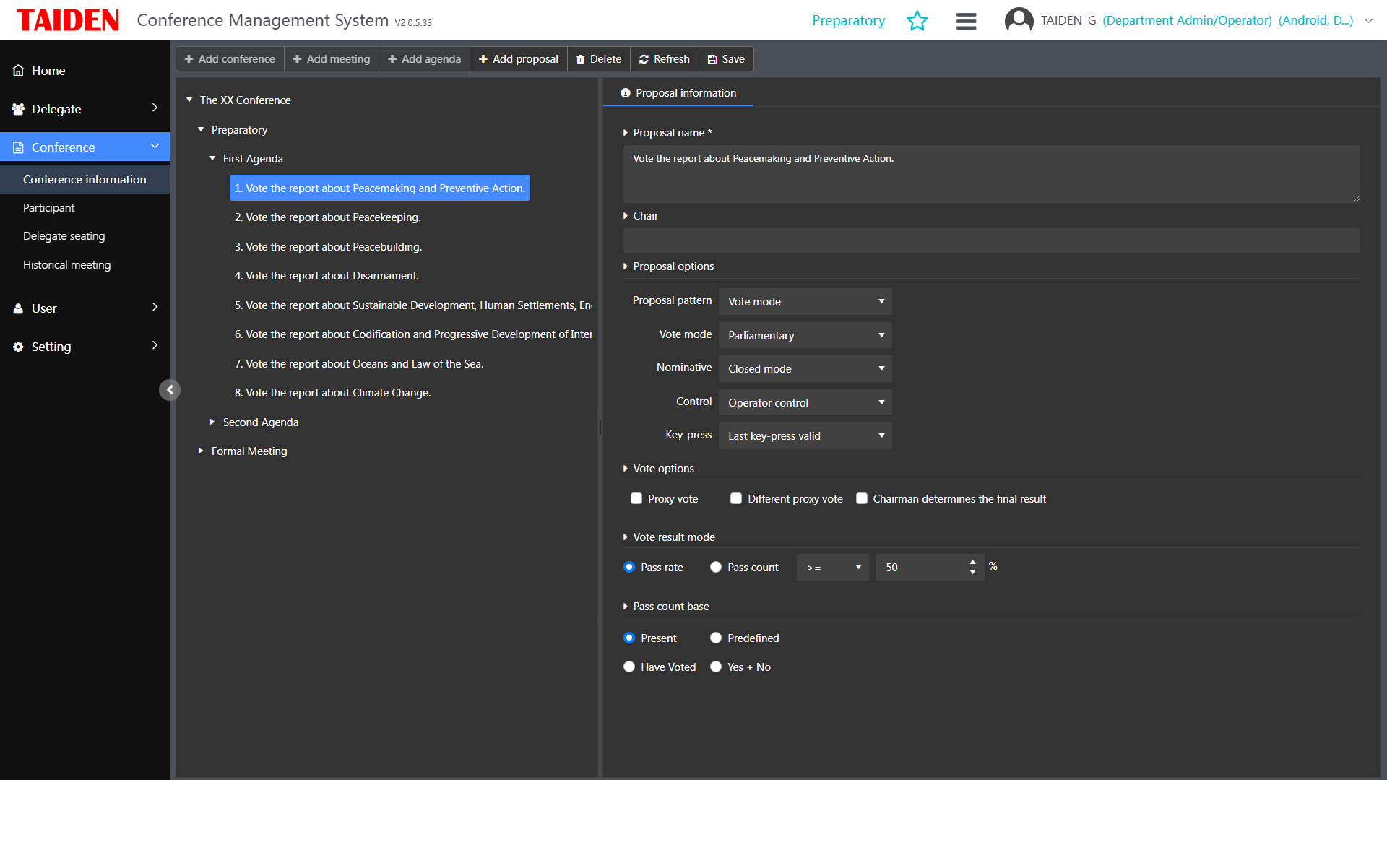
Traditional room stacks spread control across separate boxes and menus. Touch panel here, codec there, mic gain somewhere else—so the operator juggles instead of leads. That split creates delay paths and confusion. It also breaks the signal story: the DSP pipeline lives apart from camera logic, while the network team guards QoS policies in a different console. Add power converters that don’t match device draw and PoE budgets, and you get “random” outages—funny how that works, right? When edge computing nodes arrive for transcription or noise suppression, legacy controllers rarely talk to them well. Result: extra latency, duplicative routing, and audio artifacts that people blame on “the internet.”
Look, it’s simpler than you think. Old stacks were built for in-room meetings first, hybrid second. So they struggle with device discovery, remote role changes, and failover. They also assume fixed seating, not dynamic clusters. Without a unified schema, a camera can’t follow a speaker cue from the mic array in real time, and the MCU or bridge limps. Firmware silos slow updates, and every tweak risks the whole scene. When the chair needs a quiet override, the control path hops through three layers before anything happens. That is why critical moments wobble. In short: the parts are capable; the orchestrator isn’t.
Comparative Path Forward: Principles That Change the Meeting
What’s Next
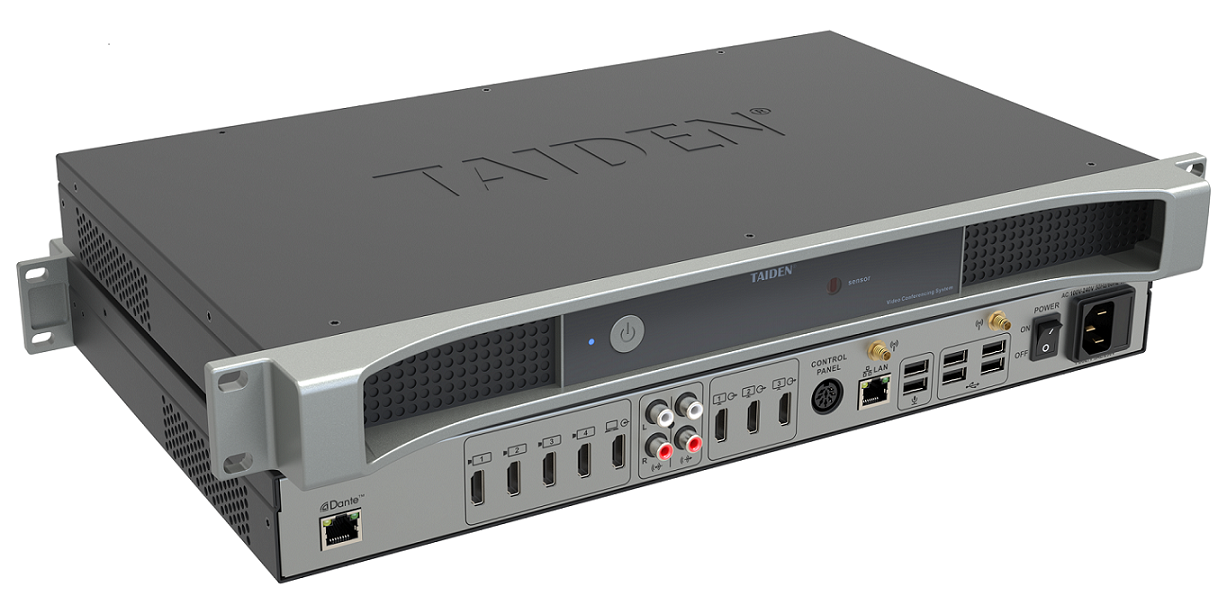
Modern rooms take a different route: one brain, many instruments. A unified controller maps endpoints as services, not gadgets. It treats mics, cameras, displays, and recording as APIs with real-time states. The win is not magic; it’s architecture. Speaker ID from the mic array informs camera framing; camera confidence feeds the layout; layout cues drive recording markers—round trip under a second. With SIP gateway support, AEC aligned to the actual room curve, and policy-aware routing, the session stays steady even when someone joins late over RTSP. When the controller exposes profiles for “workshop,” “board,” or “press,” operators pick intent instead of fiddling with sliders. And when you pair that brain with hybrid discussion technology, permissions, speaking queues, and vote flows enter the same lane as audio and video—no more sidecar tools. Small shift, big effect.
Here’s how to judge options without getting lost in spec sheets—advisory, not hype. First, measure resilience: does the system maintain stable A/V when a node fails, and can it re-route without user drama? Second, check coordination: does the controller align DSP scenes, camera logic, and network QoS in one policy layer, with audit trails you can read? Third, weigh openness: does it integrate with WebRTC, SIP, and calendar tools without brittle bridges, and can it surface analytics you trust? This is where an integrated controller plus mature hybrid discussion technology earns its keep—through predictable behavior under pressure. And yes, moments still surprise us—rooms have moods—but the right design turns surprises into footnotes. For teams looking to map this path with credible partners, the landscape includes names like TAIDEN, among others, that align control, discussion flow, and network sense in one calm center.