Introduction
Precision in battery lines is not a luxury; it is the whole game. In modern plants that build energy storage batteries, every micron of coating and every minute of moisture control matters. Picture the shift lead at 08:00: a small sensor drift, a tiny chill in the dry room, and the day’s yield starts to slip. Data shows that a 1% drop in first-pass yield can wipe out weeks of margin; a 0.1 g/m² variance in electrode coating can snowball into pack-level failures (costly, and avoidable). So here is the question: how do we turn a long, fragile chain of steps into a stable, predictable flow that scales?
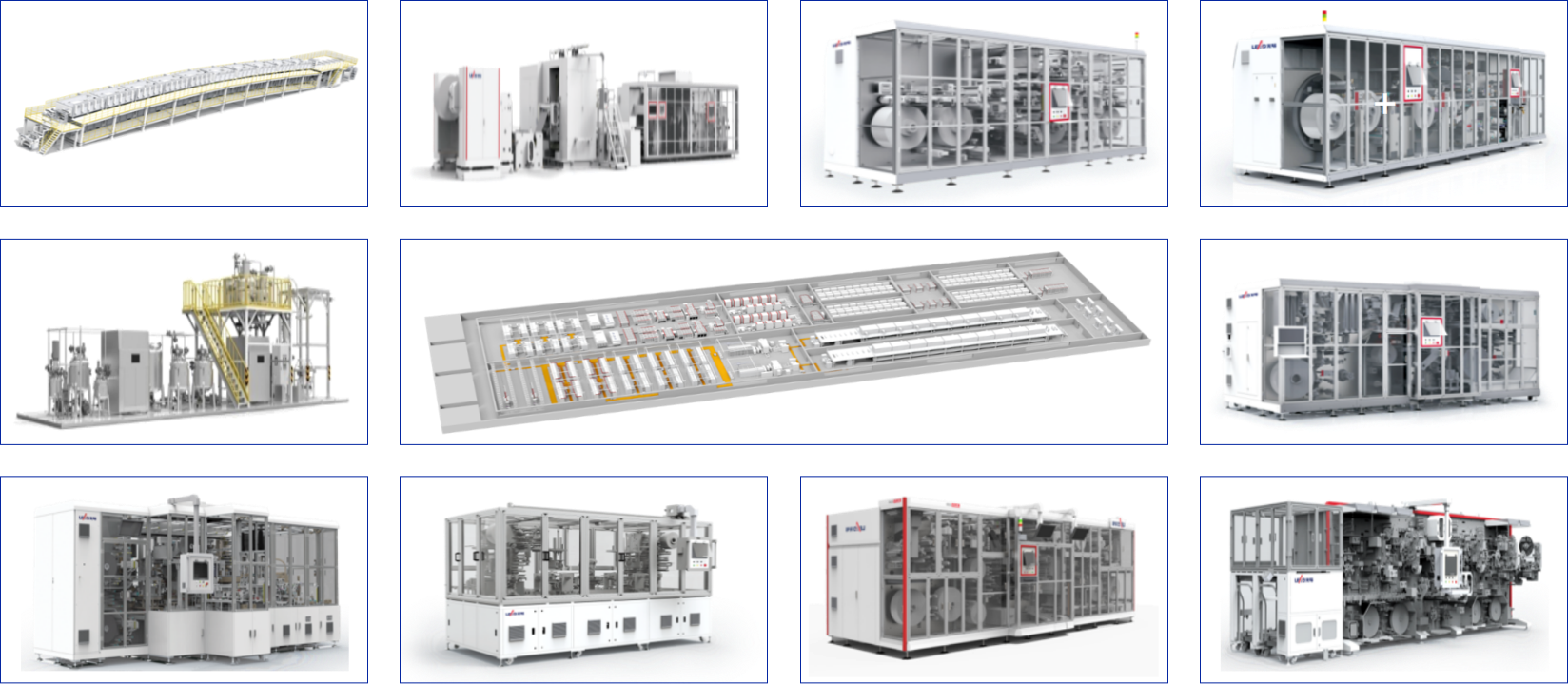
We can define the core: mix, coat, dry, calendar, slit, assemble, form, test. Each step must hand over defect-free material to the next, and it must do so in real time. That means tight closed-loop control, traceable data, and swift feedback across machines. It also means power converters and thermal units that speak the same language as the MES. In short, design for continuity, not for firefighting — yani, plan once and let the control logic enforce it. Let’s compare where legacy lines stumble and where smarter systems pull ahead.
The Hidden Gaps in Legacy Battery Lines
Where do legacy lines break?
The old playbook leaves money on the floor. Even with good lithium ion battery manufacturing equipment, many plants still rely on tribal setup, manual handoffs, and siloed controls. When coating ovens, calendaring rolls, and stackers run as separate islands, SPC is slow, and drift hides until scrap piles up. A dry room that swings by 0.5% RH? It knocks slurry behavior off balance. Vision checks flag defects late because images are stored, not acted on. Then formation cycling becomes the bottleneck, as racks are scheduled by habit, not by C‑rate readiness. Look, it’s simpler than you think: the flaw is not one machine; it is the gaps between them.
There are also user pain points that never make the slide deck. Operators are asked to tune dozens of setpoints with no clear guardrails. Maintenance teams chase emergent heat maps instead of root cause. The MES shows totals, not causes, so OEE stalls at 70–75% and stays there. Edge alarms fire, but they lack context across zones, so nobody knows if a roll misalignment caused a tab weld issue two stations later — until QA fails a lot. And the biggest hidden tax? Recipe drift during product changes. Without versioned, line-wide recipes that include ovens, tension, and weld energy, the next shift inherits chaos — and quality follows.
Comparative Outlook: Smarter Lines, Measurable Gains
What’s Next
Technical principle, plain words. Modern lines stitch machines into one feedback fabric. Electrode coating thickness is corrected in milliseconds by model-predictive control, not by an end-of-lot check. Cameras push features to edge computing nodes; those nodes enforce adjustments upstream, not after scrap. Calendaring load, web tension, and oven zones share a single recipe object, versioned in the MES. Genealogy tags follow each cell through stacking, electrolyte fill, and formation cycling, so a tab weld outlier can be traced — and contained — before it multiplies. Power converters are orchestrated with thermal units to manage C‑rate curves and aging windows. The result is fewer surprises and faster ramps — funny how that works, right?

In comparative terms, a legacy island line reacts; a connected line anticipates. Case in point: when humidity blips, the system slows web speed, tweaks dryer zones, and updates the SPC chart in one flow. When vision detects micro-burrs, the slitter tension profile adjusts within seconds. And when packs demand a new profile, the line pulls the correct recipe and lock-checks every module before start. This is where integrated lithium ion battery manufacturing equipment makes the difference — not just better machines, but better coordination. It delivers higher first-pass yield, shorter changeovers, and a stable path to scale.
To choose the right path, use three metrics. Advisory, and concrete: 1) Closed-loop depth: how many stations adjust themselves based on real-time signals (vision, thickness, temperature) without operator input? 2) Traceability fidelity: can you link any defect to a recipe, lot, and machine state in under five clicks, and quarantine fast? 3) OEE trajectory: not today’s number, but the line’s time to reach and hold >85% OEE after a product change. If a solution proves these on your floor trial, it likely scales cleanly. For teams planning the next build, keep the comparisons honest, keep the data live, and keep the recipes whole — tamam. LEAD