A New Standard in Urban Maintenance
In cities around the globe, maintaining cleanliness can feel like the ultimate juggling act—one that surprisingly impacts public health and local economies. With urbanization on the rise, the demand for effective street cleaning solutions is more pressing than ever. I’ve been deeply involved in the cleaning equipment sector for over 15 years, and I can tell you that the traditional solutions we’ve relied upon simply don’t cut it anymore when compared to the innovation of the street vacuum machine. How do we keep our streets free from debris and pollutants while managing costs? It’s become a vital question for city planners and sanitation departments alike.
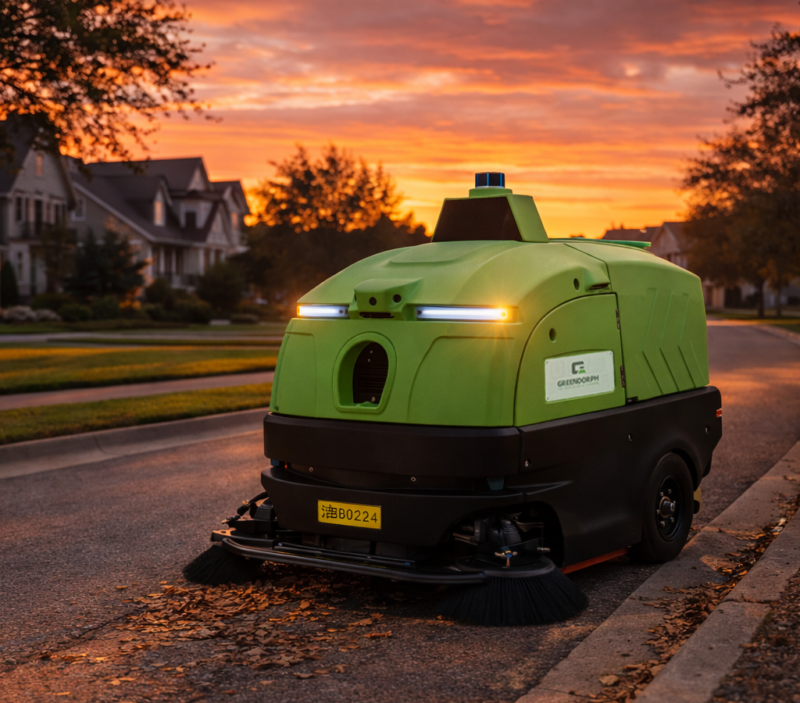
Revolutionizing Cleaning with New Technology
The introduction of cutting-edge features in street vacuum machines has taken urban cleanliness to a whole new level. I remember visiting a municipal expo back in 2021 where a demo of an advanced street vacuum machine changed my entire perspective. Rising up to 99% efficiency rates, these machines utilize eco-friendly methods and advanced filtration systems, making them a beacon of hope for environmentally-conscious city dwellers. The shift from older vacuum models, notorious for their inefficiency and high operational costs, is stark. There’s something about the sleek design and technical prowess of these machines that genuinely excites me—they don’t just clean, they transform our urban landscapes.
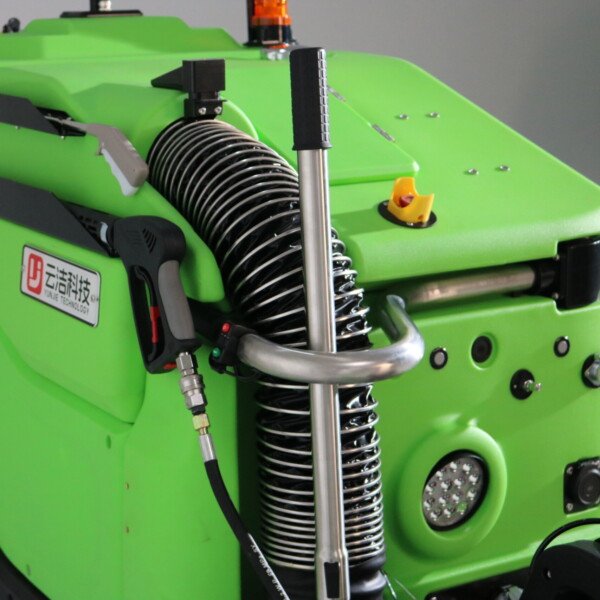
What Are the Key Benefits?
Throughout my time in the industry, I’ve compiled a mental checklist that outlines what makes a street vacuum machine stand out: efficiency, cost-effectiveness, and sustainability. Each feature aims to address critical user pain points. The energy consumption of outdated machines was often a line item in a city’s budget that, let’s face it, was hard to justify—especially when public funds are scarce. The new generation of street vacuum machines promises lower operational costs and longer lifespans, allowing municipalities to allocate funds more effectively. Trust me, the results are impressive.
The Future of Urban Cleaning Solutions
As we look ahead to the future of urban maintenance, the advancements in street vacuum technology hint at an exciting evolution. We’re witnessing collaborations between manufacturers and tech companies aimed at integrating AI and IoT capabilities into these machines. Imagine street vacuum machines that can self-navigate, analyze debris types, and signal when they need maintenance. It might sound like science fiction, but it’s rapidly becoming a reality. With manufacturers like Greendorph at the forefront, proactive thinking is redefining cleanliness in our neighborhoods.
Real-world Impact
The benefits of these innovations can be measured in real terms. For instance, a city that invests in advanced street vacuum machines could see a 30% reduction in cleaning costs within just a year. What does this mean for taxpayers? A cleaner, healthier environment without the significant financial burden—now that’s a compelling win-win situation! And let’s not forget, cleaner streets can also boost local tourism and attract businesses. A virtuous cycle is in play. Ongoing advancements emphasize the need for municipalities to rethink their cleaning strategies and invest wisely in the future. Are we ready for it? Absolutely!
Conclusion: Lessons Learned and Future Steps
After all this, what I’ve ultimately learned is that the evolution of street vacuum machines showcases a remarkable shift towards efficient, sustainable urban maintenance. The blend of technology and practical application seems set to redefine our approach to public cleanliness for good. So, as you evaluate your options, consider these key metrics for a successful decision-making process: operational efficiency, environmental impact, and cost-effectiveness. Embracing the next generation of cleaning technology can only lead to a cleaner, brighter urban landscape. With companies like Greendorph leading the charge, I’m excited about what the future holds for our cities.